
Choose Tulsa County Resident Lookup Records
No official system is a complete list of county residents. The Assessor answers a present property and tax-mailing question. County Clerk instruments answer a recorded-transfer question. OSCN answers whether a named party appears in a court case, and the Oklahoma State Department of Health index answers whether it has a qualifying birth or death entry. Voter and business records have separate access rules. Pick the record that fits the question, then use a second source to test a match.
| Record set | Useful confirmation | Tulsa County route | Important access limit |
|---|---|---|---|
| Assessor roll | Owner, situs, tax mailing address, parcel and annual assessment details | Tulsa County Assessor Property Search | Informational roll, not title or occupancy proof |
| Recorded instruments | Grantor, grantee, legal parcel and recording context | County Clerk Acclaim | Name index starts in 1928; legal index starts in 1987 |
| Court index | Case number, filing date, style and party role | OSCN, with Tulsa County selected | Sealed, juvenile and expunged matters are not public search material |
| Vital index | That OSDH lists a birth or death event | OK2Explore | Index access is different from certificate eligibility |
| Voter registration | A registrant's own status, districts and polling information | OK Voter Portal | Requires the registrant's name and date of birth |
| Historic directories | Dated address, spouse or occupation context | Tulsa City-County Library | Historical compilation, not a current-status record |
A name alone is usually the weakest starting point. Add a known address, approximate period, middle name, case number, or event county when a record permits it. That extra detail reduces same-name results without trying to turn a restricted system into a general people list.
Verify Tulsa County Resident Records
For a current property connection, begin with the Assessor's one-box search. The portal accepts an address, account, subdivision, or owner search and advises using less punctuation and less-specific wording when necessary. A card distinguishes the situs address, where the land sits, from the owner mailing address, where tax mail goes. Neither field proves who is physically present at the location.
- Write the full name as it appears in a reliable record and note only supported spelling or former-name variants.
- Search the Assessor with a short owner or address entry, then open only the parcel that matches the known location.
- Save the account or parcel identifier and legal description. A legal description identifies the lot or land for recorded-property work.
- Use that legal description in County Clerk Acclaim with a narrow date range and document type. Compare the grantor, grantee, recording date, and parcel before drawing a title conclusion.
- Use OSCN, a permitted vital index, or a dated directory only as an independent check. A disagreement in middle name, date, related person, or location ends the match.
A deed records a transaction, and an assessment card is a tax-system record. The County Clerk is the title-record custodian. Older work may need the historical camera route, deed books, or counter assistance because the web indexes do not cover every era.
Read Tulsa County Resident Lookup Court Results
OSCN is the official public index for Tulsa County District Court cases. Select Tulsa County or an appropriate statewide option, then use last name with first or middle name where known. The form also offers case number, citation, filed-date and closed-date fields, along with party-type filtering. The portal can present a human-verification screen. That is an access condition, not proof that no court record exists.
The OSCN court-search interface shows the search controls used to narrow a Tulsa County name query.
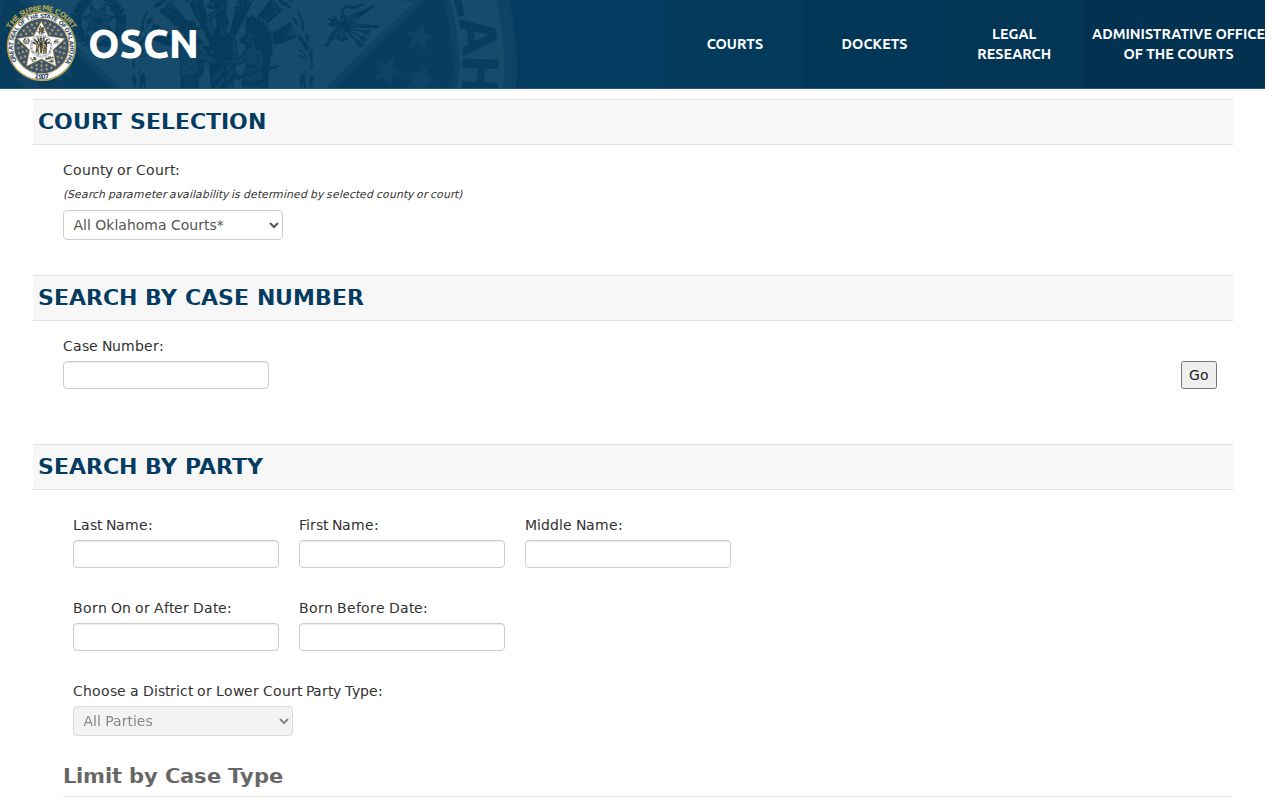
Before opening a docket, the observed result pattern can show a case number, date filed, case style, and found-party name and role. A docket is the court's chronological case record. It can supply events and metadata after a case opens, but a party name is not an address confirmation and document availability varies with sealing and redaction.
| Case number | Identifies the court matter and can be used when asking the Court Clerk about a copy. |
|---|---|
| Date filed | Places the result in time, which helps separate people with similar names. |
| Style and found party | Shows the case caption and the matched person's role, not a finding that every same-named person is involved. |
| Certified copy | A copy authenticated by the custodian. Ask the Court Clerk about the current route, fee, archive status, and eligibility. |
- Docket
- The court's running record of filings and events in one case.
- Index
- A searchable pointer to a record. It may show basic fields without providing the original document image.
- Certified copy
- A custodian-authenticated copy used when an official copy is required; confirm the current fee and request route first.
Confirm Tulsa County Names in Vital Indexes
OK2Explore is a free Oklahoma birth and death index, not a certificate-order substitute. It allows combinations of subject name, event date, event county, and sex. The index reports limited birth information after 20 years and limited death information after five years, while the statutory public periods are much longer. An entry can confirm that OSDH holds a record. It does not establish that any requester may receive a certified copy.
The OK2Explore birth and death index provides separate record-type searches and optional filters.
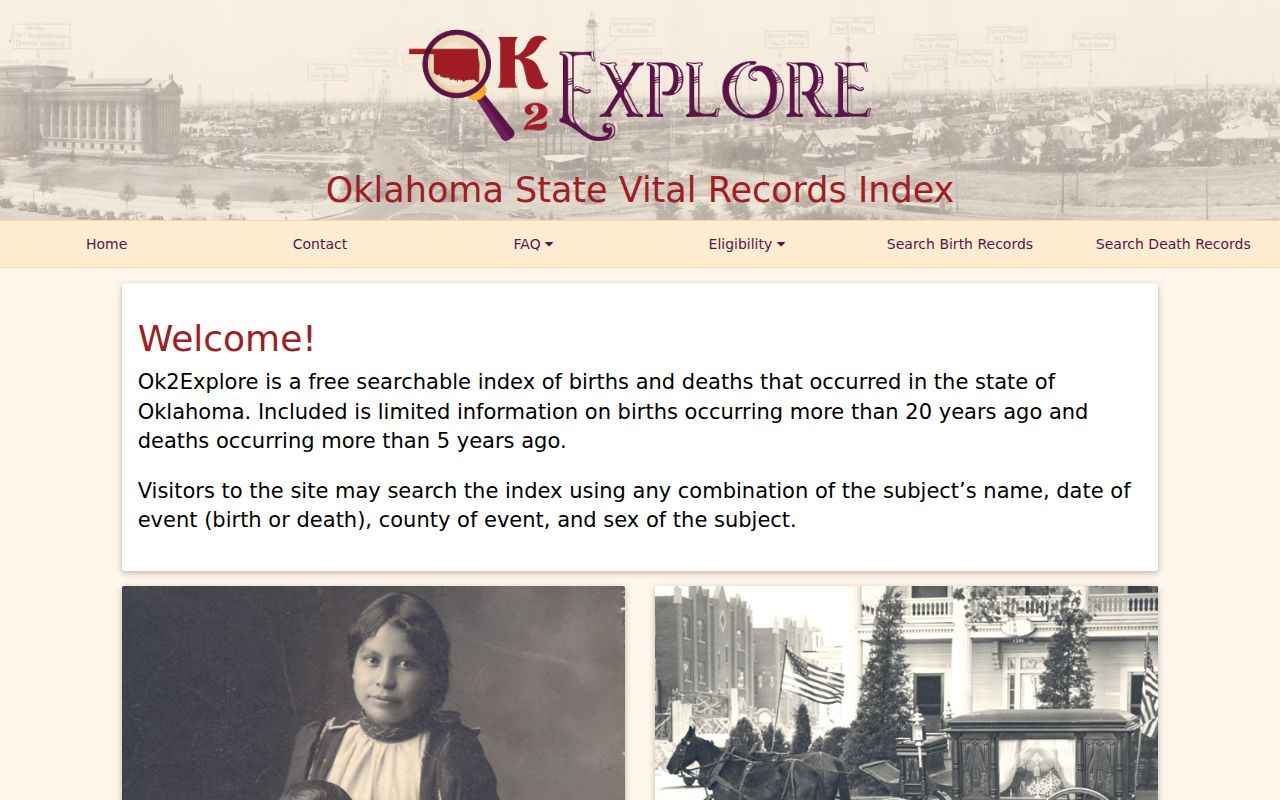
Use an event county only when it is known. Early Oklahoma filing was incomplete, especially before 1940, so a missing early entry is not a conclusion about a person. Compare it with a dated directory, newspaper, cemetery, probate, or recorded-land source instead.
For eligibility, identification, current fees, and an application, consult the OSDH vital-records FAQ before ordering.
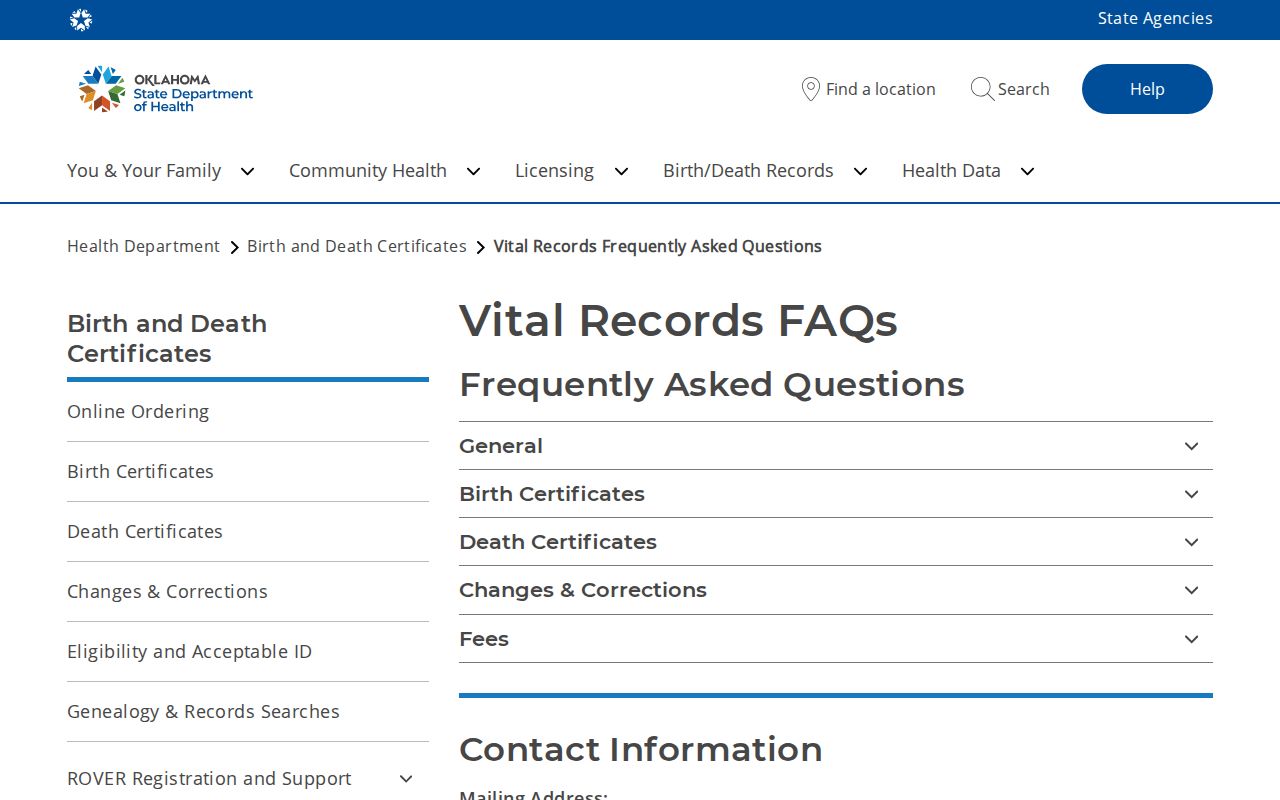
OSDH generally requires a completed application, signature, event facts, and proof of relationship or authority when applicable. Vital statistics are confidential under 63 O.S. § 1-323 except through the permitted routes, so an index result should never be used to pressure someone for private information.
Use Tulsa County Voter Verification Properly
The OK Voter Portal is a self-service route for the registrant. It requires the name exactly as it appears on the registration and a date of birth. It can verify registration information, voting districts, polling place, sample ballot, and certain update functions. It is not an anonymous street, ZIP, or name-browse directory. A no-match can result from a name format, a move, nonregistration, timing, or a protected record.
The OK Voter Portal describes its secure individual-verification functions.
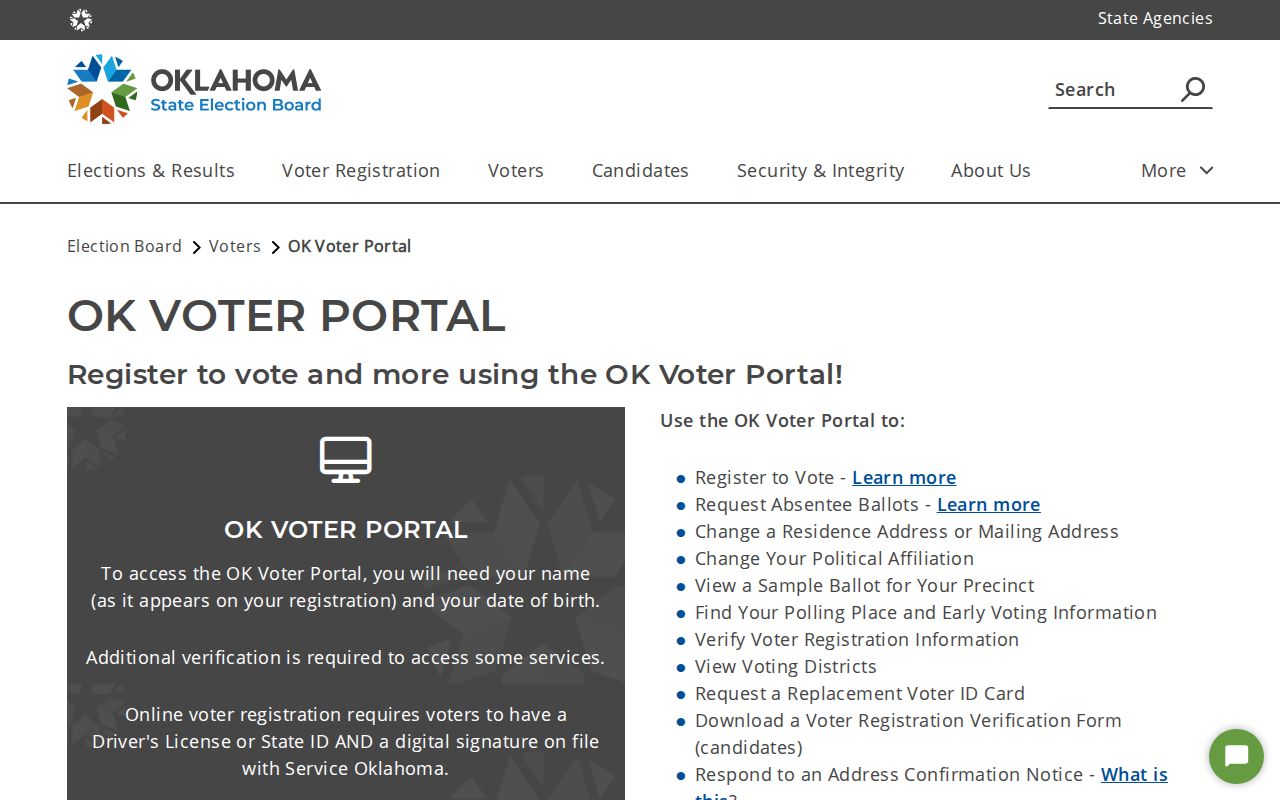
Authorized Election Data Warehouse access is different. Full registration-list access has eligibility requirements under 26 O.S. § 7-103.2 and is renewed on its stated terms. The data omits protected information, phone numbers, email addresses, and Restricted Records or Address Confidentiality Program participants. Never publish names from a voter source or reconstruct a neighborhood list from it.
Take Tulsa County Lookup Questions to Custodians
When a portal result supplies a case number or specific record identifier, the next step is the custodian, not a commercial compilation. The Tulsa County Court Clerk handles the county court copy route after a case is identified. Tulsa Municipal Court is separate from District Court and handles city traffic, parking, misdemeanor criminal, and code matters. Its Court Records staff can direct electronic open-records requests or a counter request for copies.
The Tulsa Municipal Court page identifies the court's records contact and request direction.
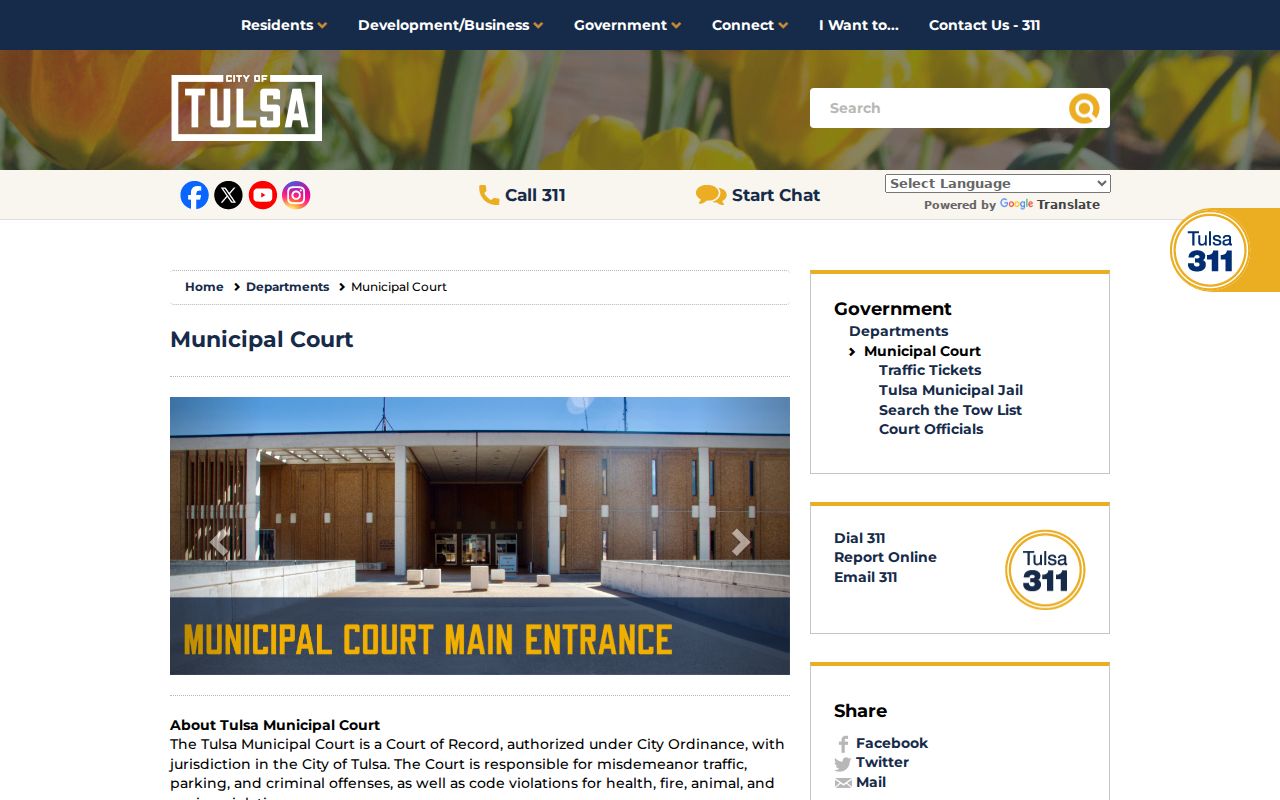
Use a focused request that names the department, record type, reasonable date range, and a case or parcel identifier. This helps a custodian locate releasable material without asking for an unlimited category of records. Court and city files can have confidentiality limits even when an index entry is visible.
The State Election Board records-request route explains the public-records and Election Data Warehouse channels.
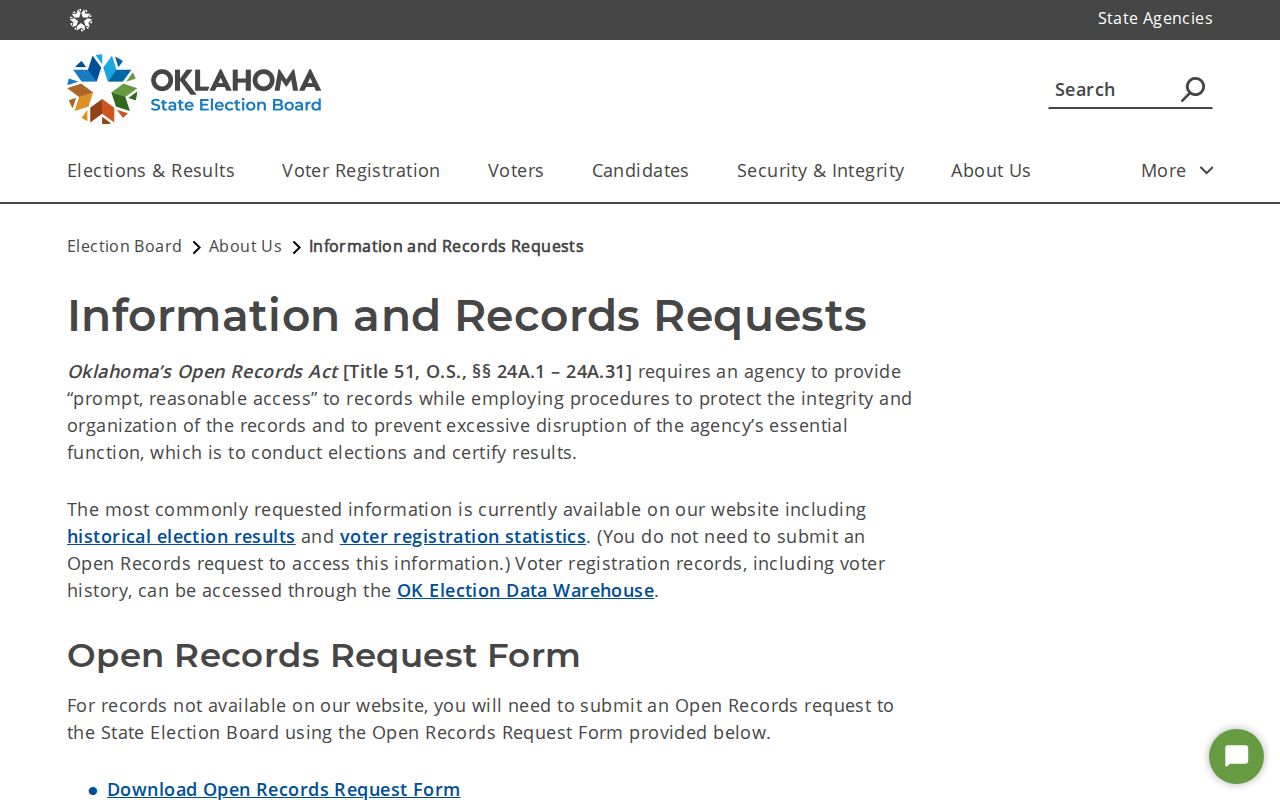
The election route is for records authorized by law, not a shortcut around the individual portal. Its access form requires an eligibility attestation for full list access, and basic warehouse access does not include the voter-registration list.
Trace a Former Tulsa County Resident Carefully
For a historical connection, build a dated trail. Start with a parcel and its legal description, then use the recorded transfer chain. Pair it with a Tulsa city directory year, a reverse or criss-cross volume when available, and census material through 1950. Tulsa City-County Library documents city directories from 1909 forward, though the exact reverse-directory years must be confirmed with the Research Center.
Historical sources can show an address, spouse, occupation, or notice context for their own date. They cannot prove a current location. The Tulsa World death-notice index covers 1963 through 1990 and lists notice dates, while the Genealogy Center's marriage index is a finding aid rather than an official license copy.
Official affiliations also need careful scope. A Secretary of State filing may show a business officer or registered agent, and board-specific portals may show a credential or status. A business or mailing address is not a personal-residence conclusion. For estate matters, a probate case number and the Court Clerk copy route are stronger starting points than an unsourced name listing.
Respect Tulsa County Resident Lookup Boundaries
Oklahoma public access has clear limits. Juvenile, sealed, and expunged court material is protected. Vital records have statutory confidentiality rules. Restricted Records and the Address Confidentiality Program protect some voter information and addresses. Driver-license data and utility customer records are not public resident directories. A commercial people-search category can merge old data or same-named people and may be incomplete, so it is not a substitute for the relevant government custodian.
Lawful personal use. Use Tulsa County records for a focused personal, family-history, estate, or civic question. Do not use a resident lookup to stalk, harass, intimidate, publish a reconstructed people list, or evade a privacy protection. If a public record is wrong, ask its own custodian about a correction process.
For an assessment entry, contact the Assessor. For an instrument, contact the County Clerk. Election, vital, court, and city records each have their own correction route. Respecting those boundaries protects people and makes a verification trail more dependable. A focused search also keeps record facts in their proper setting: an entry may show a name or event, while the custodian and date establish what that entry can actually support.